
Tire Buyer’s Guide
Make an informed decision on the right tires for your vehicle
Choosing the right tires can feel overwhelming with so many options available. Our comprehensive buyer’s guide simplifies the process by breaking down the key factors you need to consider, from understanding tire specifications like size and ratings to evaluating seasonal needs and balancing budget with performance. Make an informed decision for safer driving in El Paso.
Understanding Tire Specifications
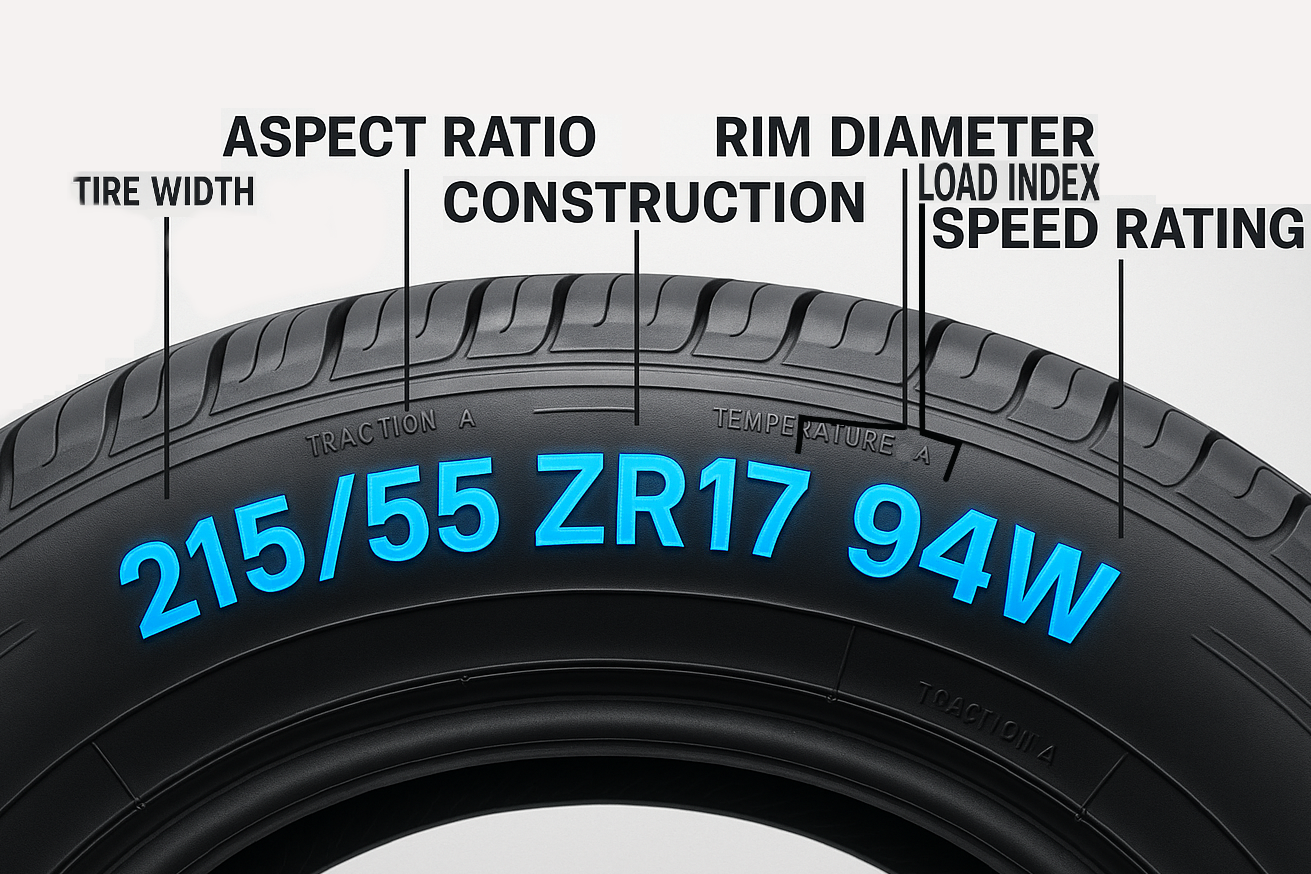
Your vehicle's manual or the sticker on the driver's side doorjamb lists the recommended tire size (e.g., P215/60R16). But what do those numbers mean? We explain the P-metric system, load index (how much weight a tire can carry), and speed rating (maximum safe speed).
Learn More
Decoding the Sidewall: Beyond size, look for the DOT code. The last four digits show the manufacture week and year (WWYY). Follow the vehicle and tire manufacturers’ age-based replacement guidance, even when tread remains. Tire condition and service history also matter. The UTQG rating indicates treadwear, traction (AA, A, B, C), and temperature resistance (A, B, C) – useful for comparing similar tire types.
Seasonal Tire Considerations
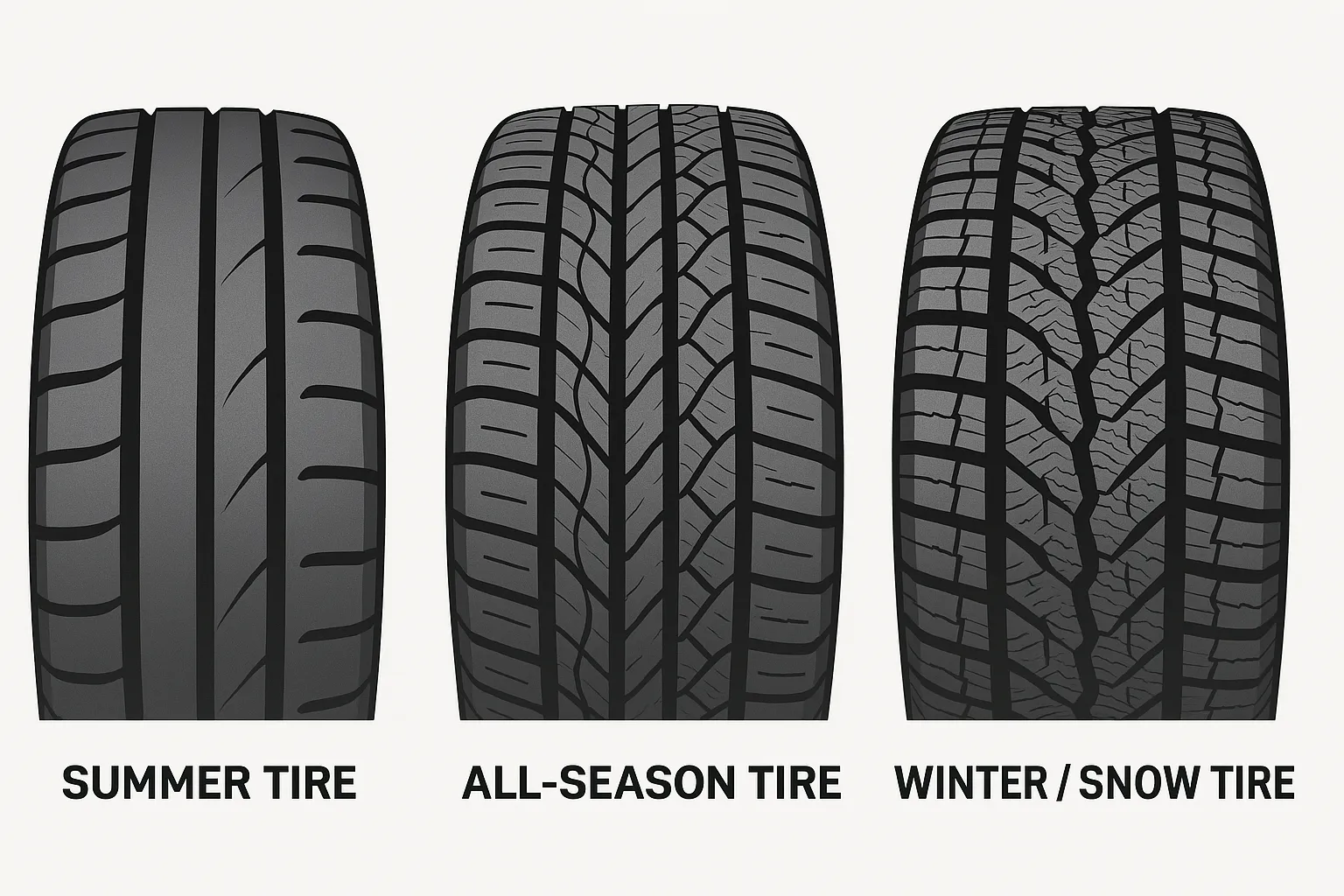
El Paso's climate generally favors All-Season tires, designed for a balance of performance in various conditions. However, understanding the differences helps: Summer tires offer peak grip in warm, dry weather, while Winter tires excel in snow and ice (less common here). All-Weather tires are a newer category offering better snow traction than All-Seasons without being full winter tires.
Learn More
Why Not Just Use All-Seasons Year-Round? While versatile, All-Season tires compromise slightly at temperature extremes. In intense summer heat, their rubber compound can become softer than a dedicated summer tire, slightly reducing sharp handling. Conversely, they harden significantly in freezing temperatures, reducing grip compared to winter tires. For most El Paso drivers, quality All-Seasons are the practical choice.
Budget vs. Performance
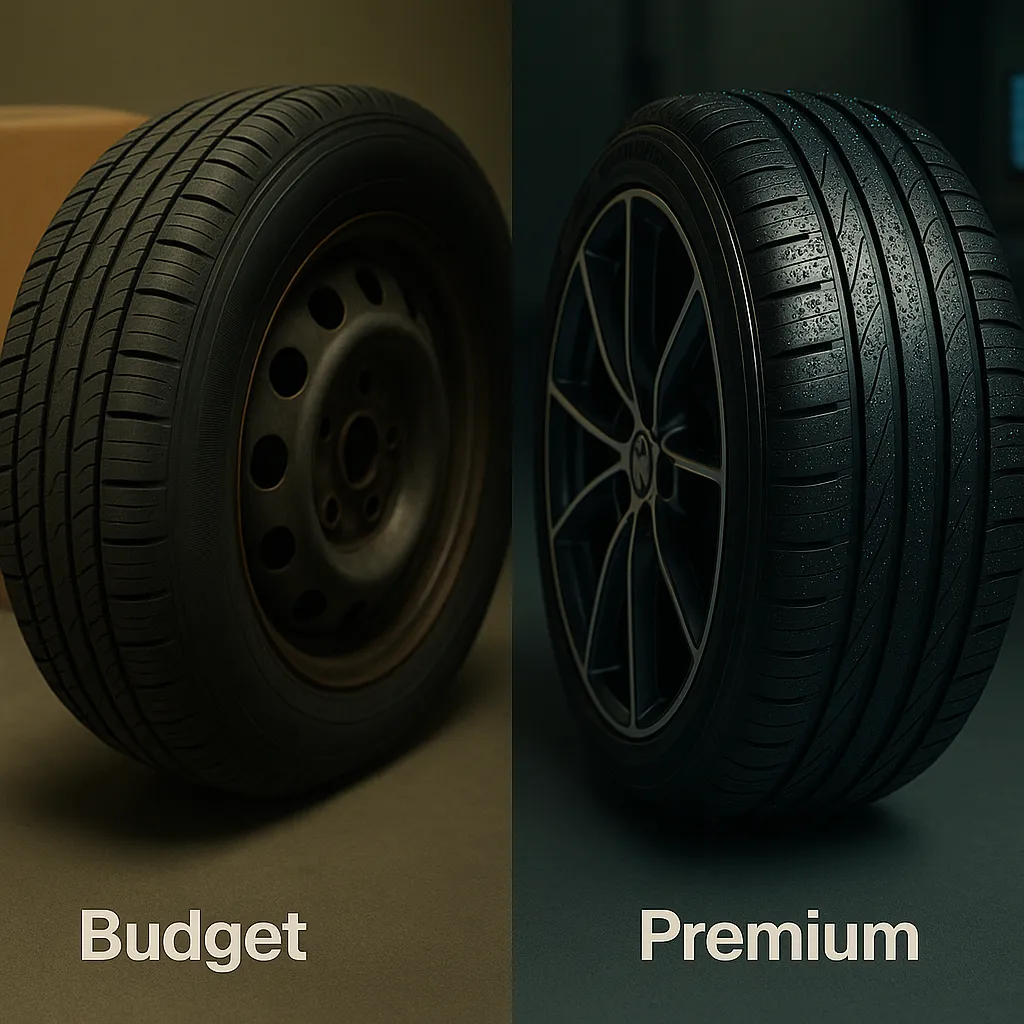
Tires range widely in price. Premium brands often invest more in research, leading to better wet traction, longer tread life, and quieter rides. Budget tires can be cost-effective but may wear faster or perform less effectively in demanding situations. Consider your driving habits, typical mileage, and safety priorities when deciding.
Learn More
Finding Value: Look beyond the initial price tag. Consider the cost per mile by factoring in the treadwear rating and warranty. Sometimes, a slightly more expensive tire with a longer lifespan offers better long-term value. Reputable mid-range brands often provide a good balance of performance and price.
Need Help Choosing Tires?
Our experts can help you find the perfect tires for your vehicle. Contact us today to learn more.
Request Consultation