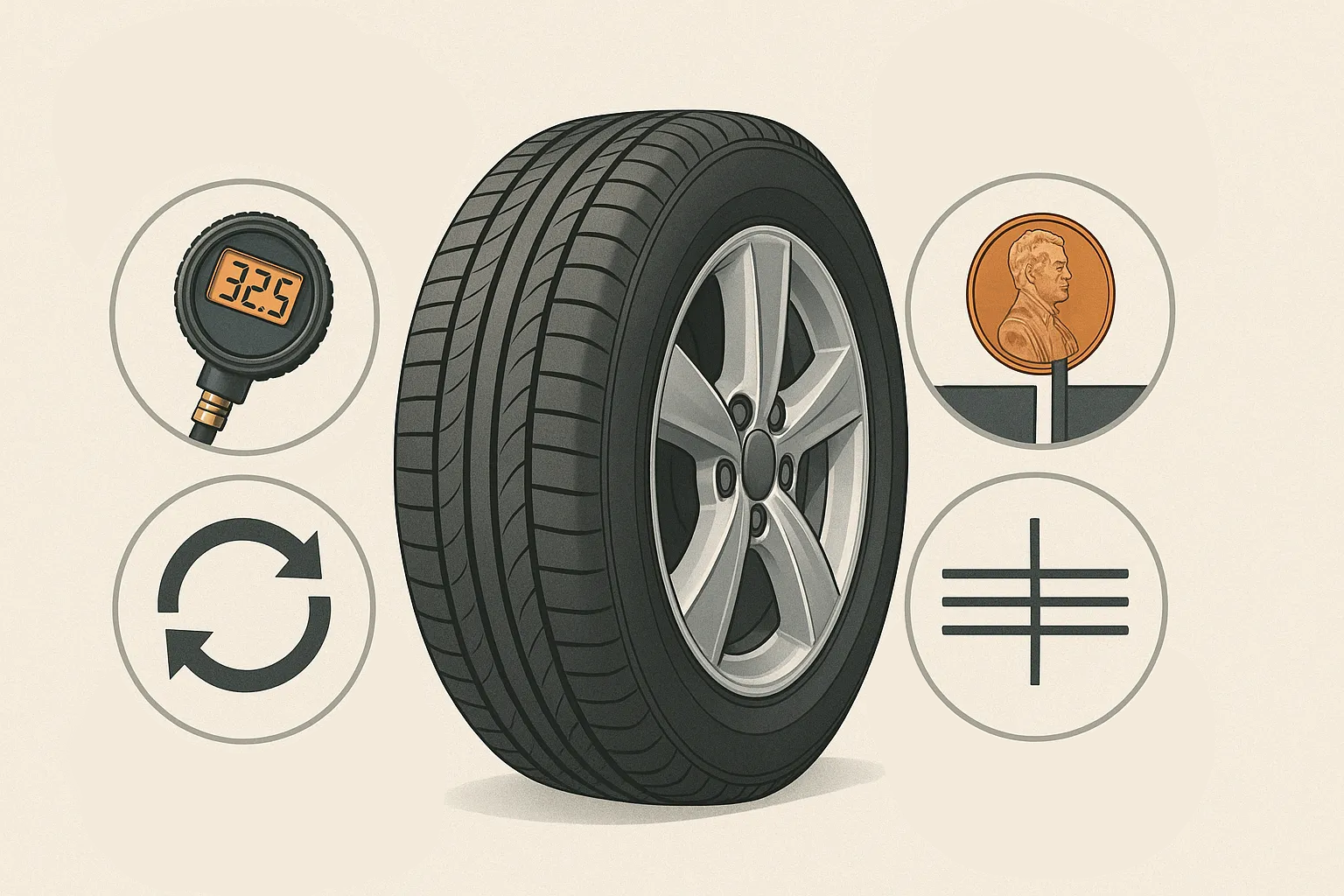
Top 10 Tire Maintenance Tips
Keep your tires safe and extend their life in El Paso
Proper tire maintenance is crucial for safety, fuel efficiency, and extending the life of your tires, especially given El Paso's demanding driving conditions. Following these top 10 essential tips will help keep your tires in peak condition, saving you money and hassle in the long run.
1. Regular Pressure Checks
Check tire pressure at least monthly, and always before long trips. Do it when tires are 'cold' (not driven for at least 3 hours). Use a reliable gauge and inflate to the pressure listed on your driver's side doorjamb sticker, NOT the maximum pressure on the tire sidewall.
Learn More
Why Cold? Tire pressure increases as tires heat up during driving. Checking cold ensures an accurate reading based on the manufacturer's recommendation. El Paso's temperature swings mean pressure can fluctuate significantly, making monthly checks vital.

2. Visual Tire Inspections
Walk around your car regularly and look closely at each tire. Check for cuts, cracks, bulges, blisters, or embedded objects like nails or stones in the tread and sidewalls. Catching these early can prevent a sudden failure.
Learn More
Sidewall Importance: Pay special attention to the sidewalls. Bulges indicate internal damage, and cuts can compromise the tire's structure. Sidewall damage is often unrepairable and requires tire replacement for safety.

3. Tire Rotation
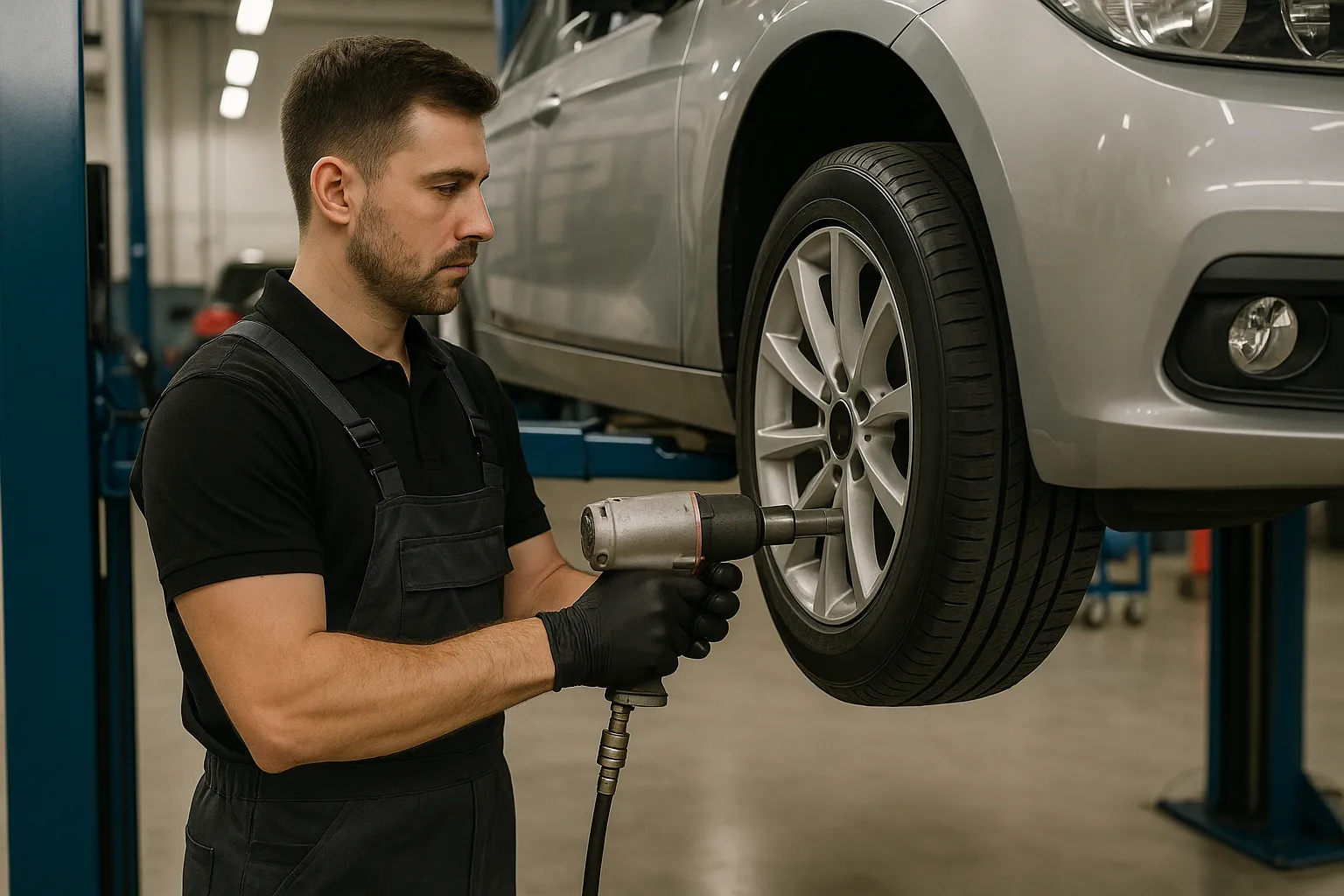
Rotate your tires according to the schedule in your owner's manual, typically every 5,000 to 7,000 miles. This helps distribute wear evenly across all tires, maximizing their lifespan and maintaining balanced handling.
Learn More
Rotation Patterns: Different vehicles (FWD, RWD, AWD) have specific rotation patterns recommended to optimize wear. Consult your manual or ask a tire professional for the correct pattern for your car.
4. Alignment Checks
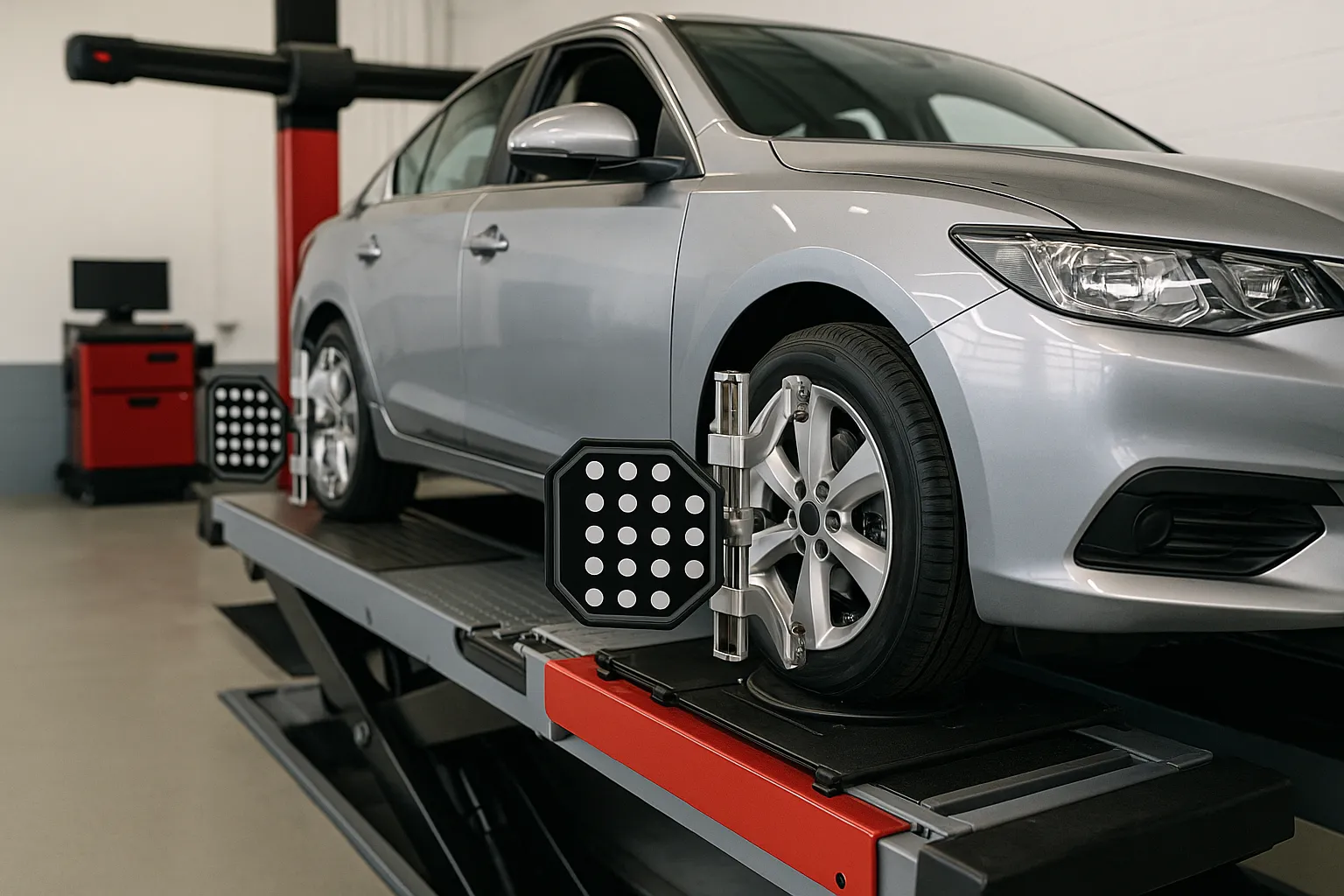
Have your wheel alignment checked at least once a year, or sooner if you hit a significant pothole or notice your car pulling to one side. Misalignment causes rapid, uneven tire wear and affects handling.
Learn More
Balancing vs. Alignment: While often done together, they are different. Balancing ensures the wheel/tire assembly spins smoothly without vibration (using small weights). Alignment adjusts the angles of the wheels relative to the car's suspension.
5. Monitor Tread Depth
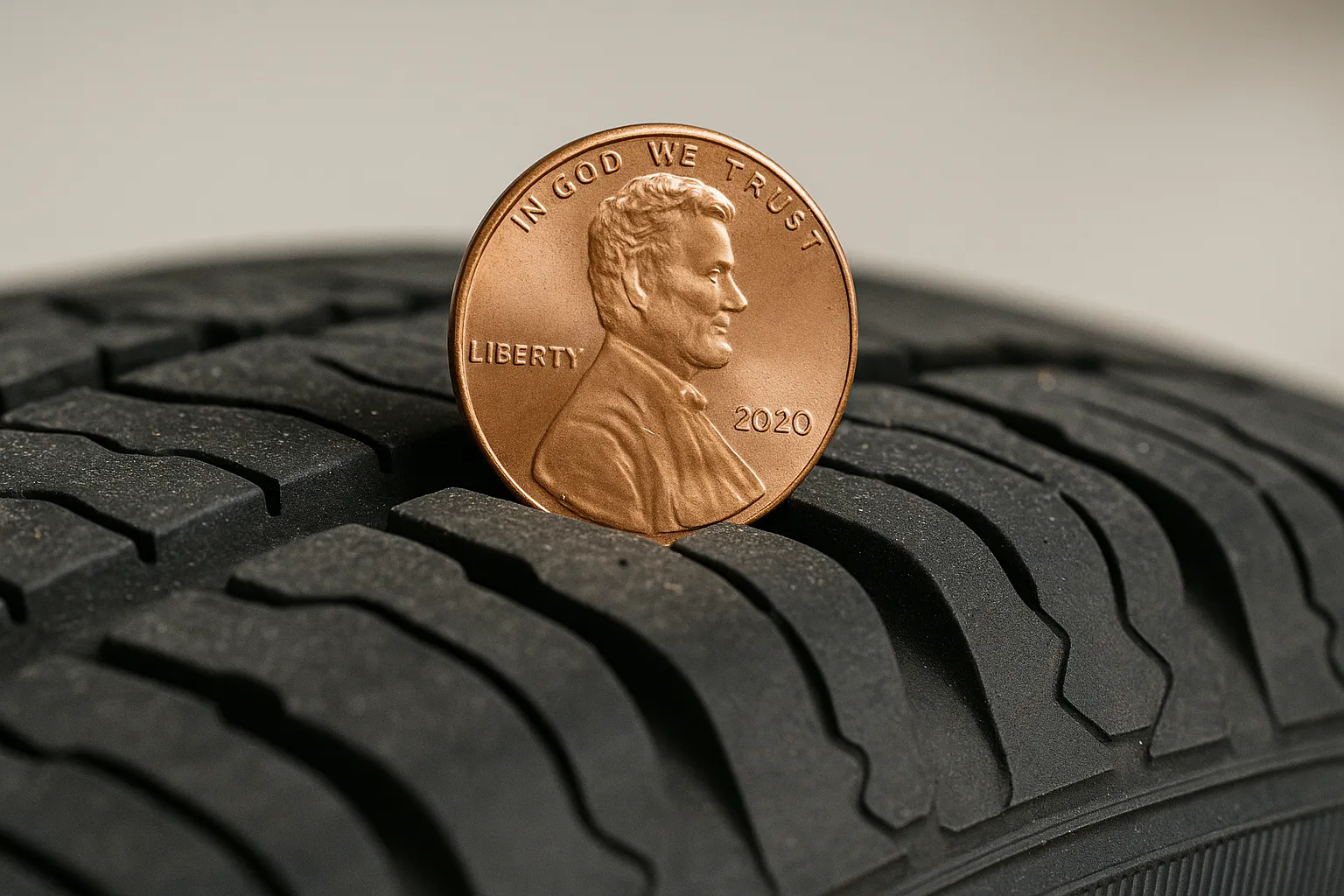
Adequate tread depth is crucial for grip, especially on wet roads. Use the penny test (if Lincoln's head is fully visible, it's time to replace) or a tread depth gauge. Replace tires when tread reaches 2/32 of an inch or the built-in wear indicator bars become visible.
Learn More
Wear Bars: These are small raised bars located in the grooves of the tire tread. When the tread wears down to become even with these bars, the tire has reached its minimum legal depth and must be replaced.
6. Don't Forget the Spare
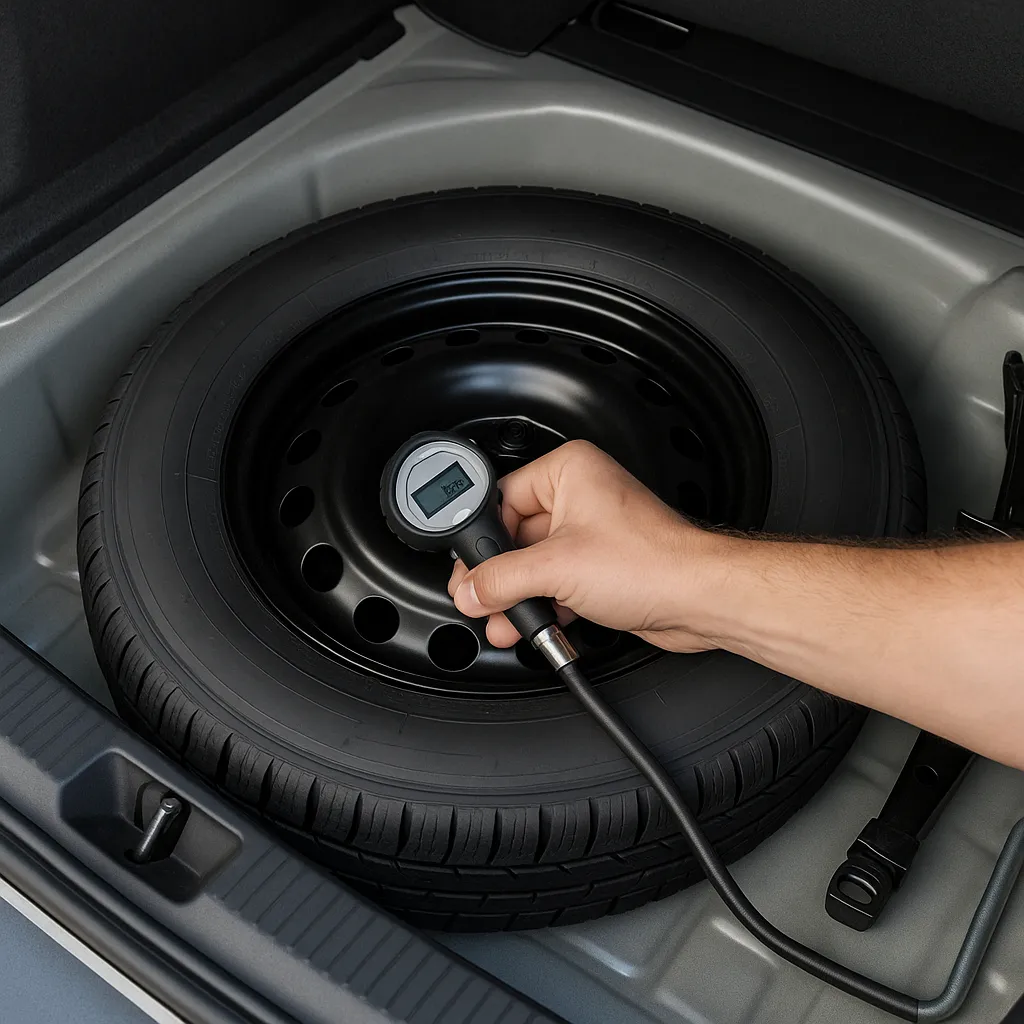
Many drivers neglect their spare tire until they need it. Check its pressure regularly (it might require higher pressure than your main tires) and inspect its condition. Ensure you have the necessary jack and lug wrench and know how to use them (or have our number saved!).
Learn More
Temporary Spares: If you have a compact 'donut' spare, remember it's for temporary, low-speed use only. Get your main tire repaired or replaced as soon as possible.
7. Be Mindful of Load
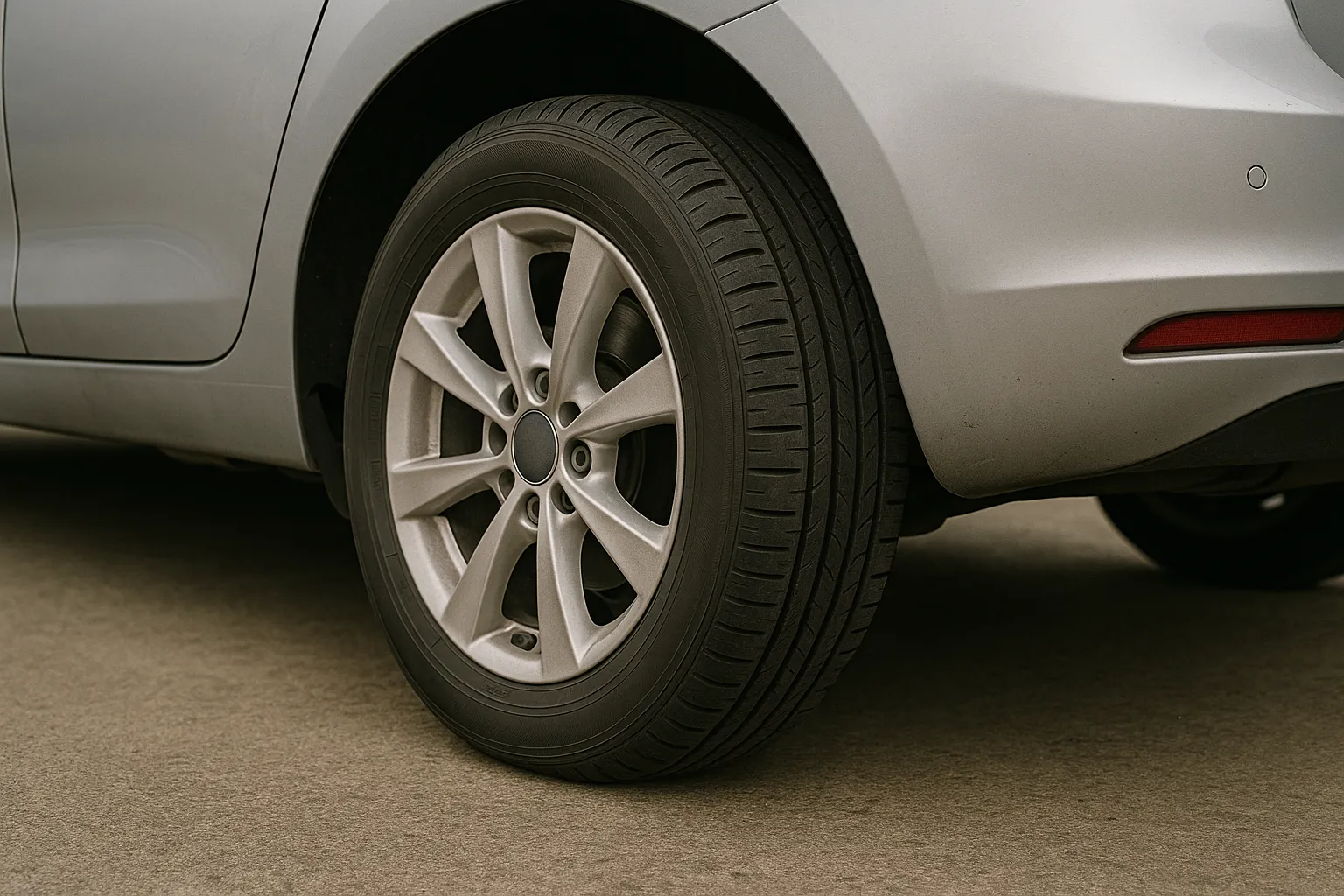
Check your vehicle's load capacity (usually on the doorjamb sticker). Consistently overloading your car puts excessive strain on tires, leading to overheating and increased risk of failure. Distribute weight evenly when carrying heavy loads.
Learn More
Load Index: The load index number on your tire sidewall corresponds to the maximum weight that tire can safely carry when properly inflated. Ensure your tires meet or exceed your vehicle's requirements.
8. Clean Your Tires
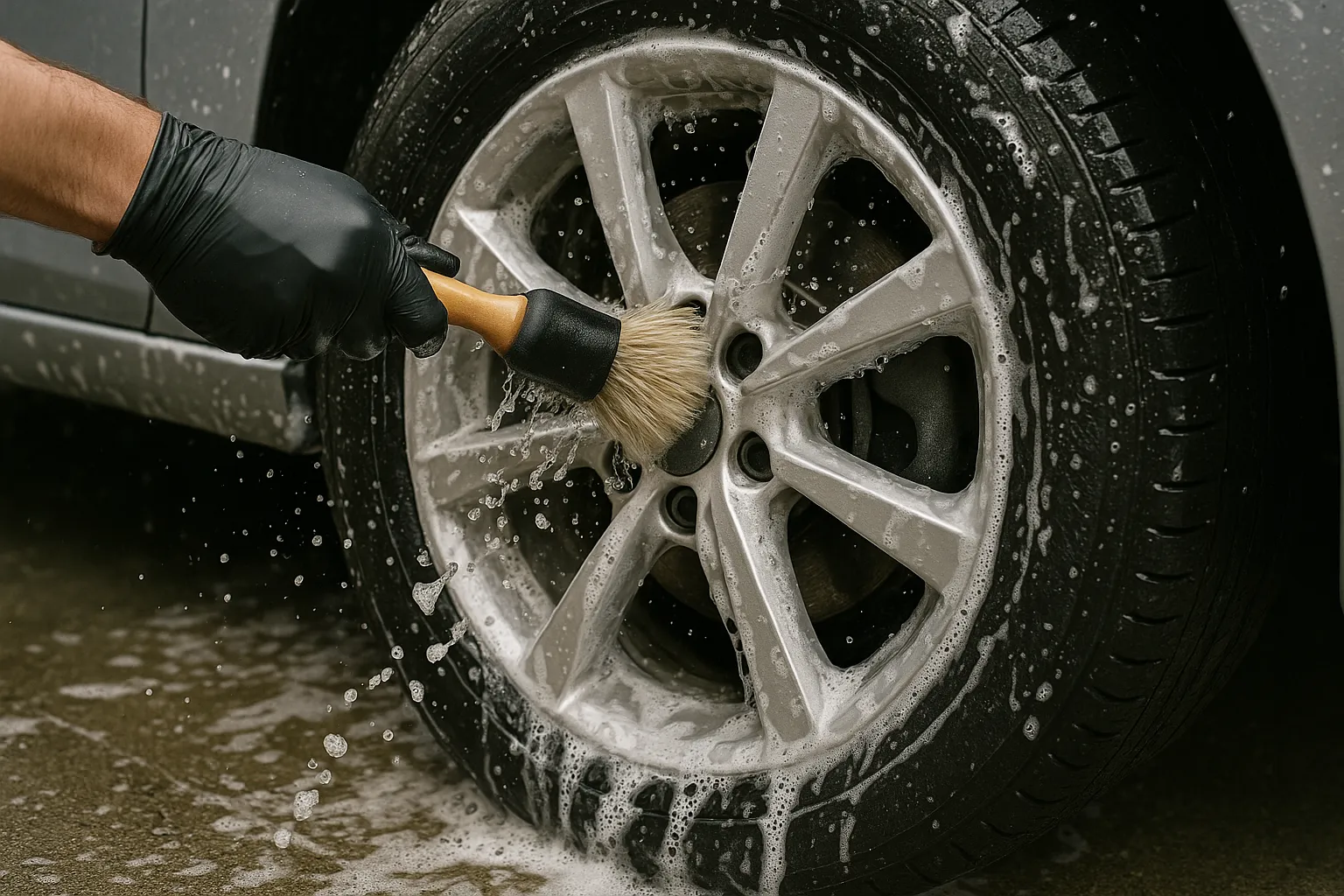
While mostly cosmetic, washing your tires occasionally helps remove potentially harmful substances like brake dust, road salts (less common in El Paso), and chemicals that could degrade the rubber over time. Use a dedicated tire cleaner or mild soap and water.
Learn More
Avoid Harsh Dressings: Some tire shine products contain petroleum distillates or silicone oils that can actually accelerate rubber degradation over the long term. Opt for water-based, non-solvent dressings if you use them.
9. Drive Smoothly
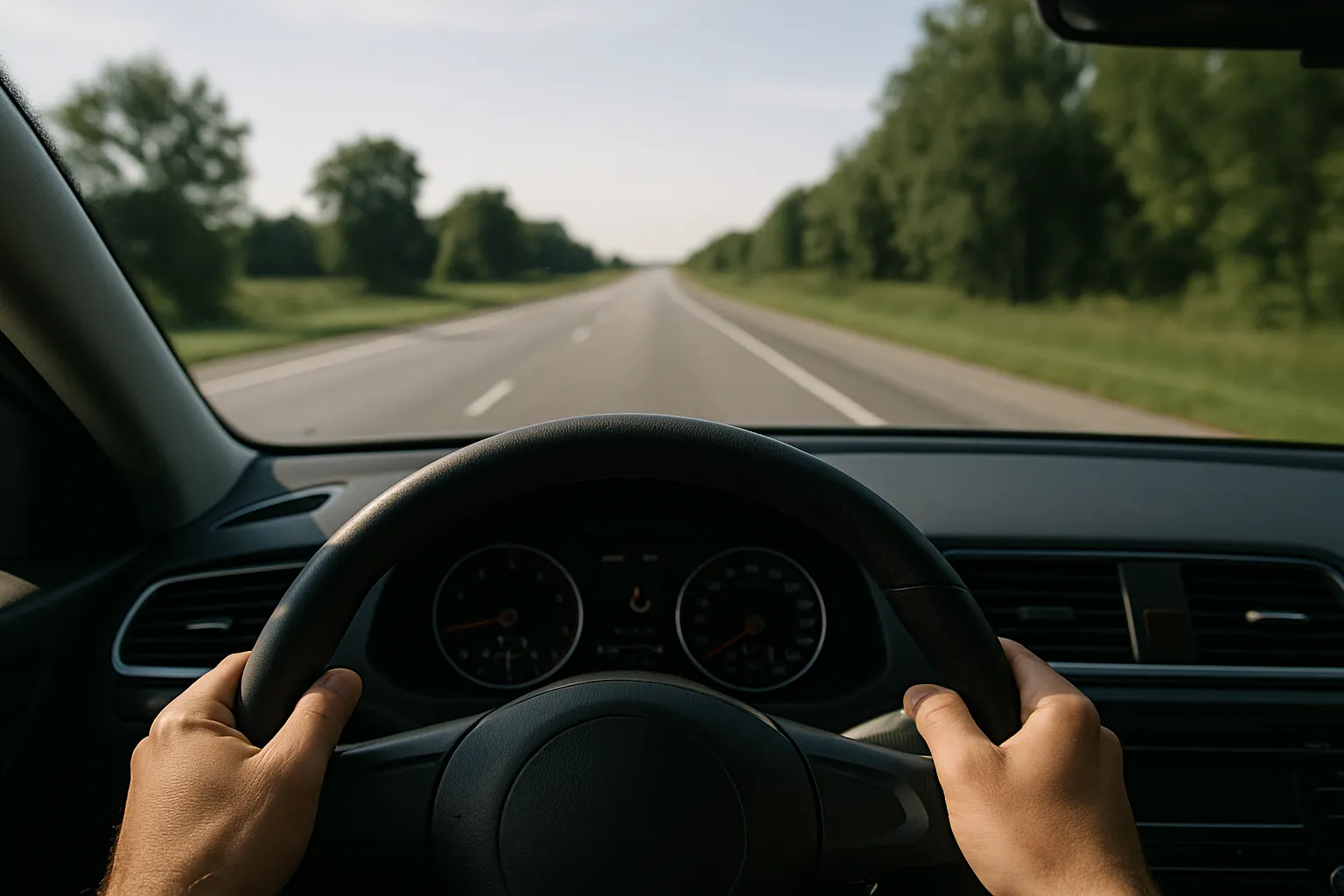
Aggressive driving habits take a toll on tires. Avoid hard acceleration, sudden braking, and sharp turns at high speed. Be cautious around potholes, curbs, and road debris to prevent impact damage.
Learn More
Impact Damage: Hitting a pothole or curb forcefully can cause immediate damage like a bulge or cut, or internal damage that leads to failure later. Driving attentively helps avoid these hazards.
10. Consider Tire Age
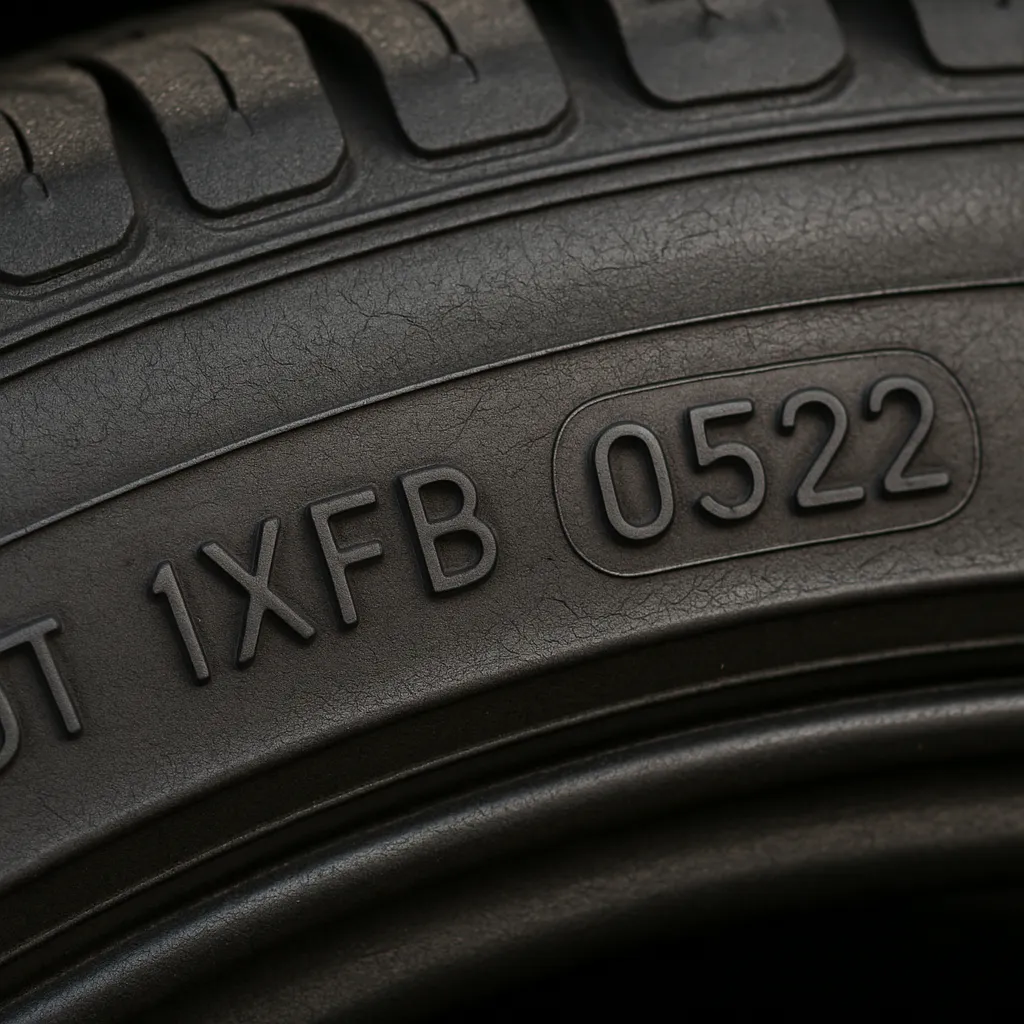
Even if tires have ample tread left, the rubber compound degrades over time due to exposure to oxygen, UV rays, and temperature changes. Follow the vehicle and tire manufacturers’ age-based replacement guidance, even when tread remains. Check the DOT code for the manufacture date and have changes in tire condition or performance assessed. See NHTSA’s tire-aging guidance for more information.
Learn More
Storage Matters: Tires stored improperly (e.g., outdoors, near electric motors) can age faster. If buying 'new old stock' tires, always verify the manufacture date.
Need Professional Tire Maintenance?
Let our experts handle your tire care. Our 24/7 mobile service brings professional maintenance and repair directly to you anywhere in El Paso.
Schedule Service Now